
Winter Weather Safety
07 January, 2021
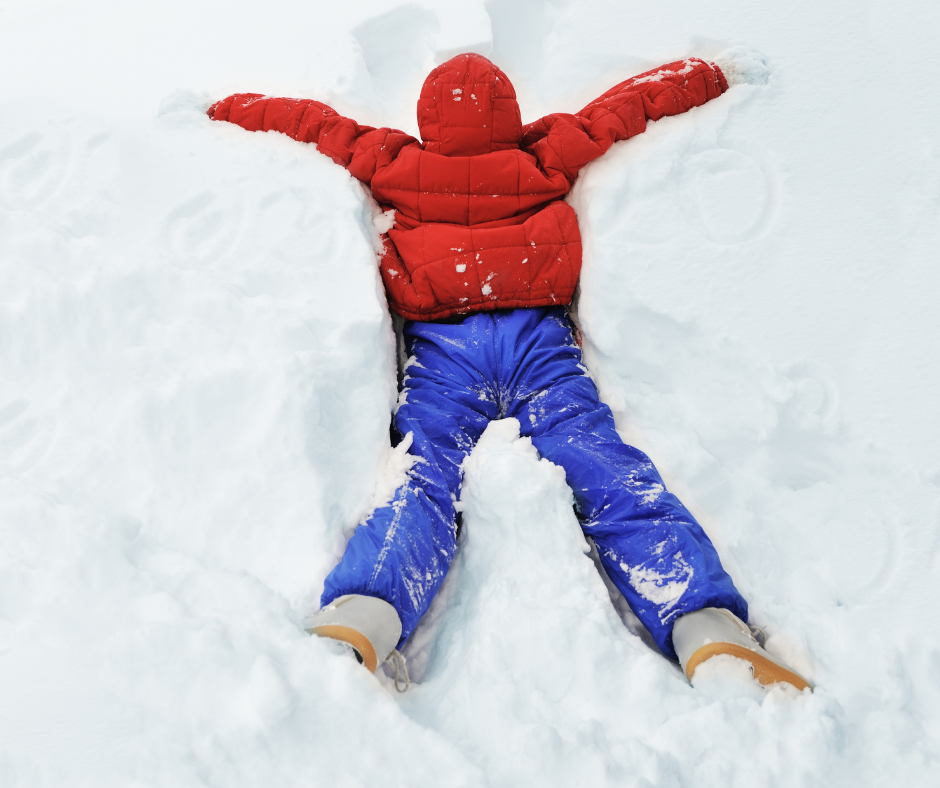
Winter is the longest and most brutal season in Michigan. There is a possibility for snow from October to May with no real predictability in between. But with the right knowledge and tools, winter weather safety can be tackled and handled.
De-Ice
Snow and ice are fun for December but start to lose their charm shortly after New Year's. In Michigan, you contend with black ice, frozen windshields, and icy steps — all of which require the right approach.
Black Ice — Black ice should always be handled with care, as this type of ice is nearly invisible. Drive with a steady, slow approach when roads are at higher risk — typically during the coldest times of day and after bouts of freezing rain. Check for skid marks in surrounding snow as an indicator that previous drivers have had difficulty in that area.
Frozen Windshields — The old-fashioned scraper is the go-to method but not necessarily the most pleasant. De-icing solutions sold in stores contain an alcohol component like methanol, which has a lower freezing point than water. You can also make your own solution by mixing one part isopropyl rubbing alcohol with two parts water — spray it on and let the ice disappear.
Icy Steps — Salt has been the go-to for generations, but it comes with downsides — it can damage concrete, kill grass, and leach into groundwater in ways that are harmful to animals. Instead, consider household alternatives like sand, wood shavings, birdseed, or sawdust. These won't melt the ice but provide excellent traction as an anti-slip agent, and most will simply wash away as the snow melts without harming the environment. In a pinch? Pickle juice works as a fast and safe ice remover.
Health Concerns
Hypothermia — Hypothermia is a real risk factor in cold temperatures. Warning signs include confusion, slurred speech, a slow heartbeat, slow breathing, and pale skin. Move the affected person indoors to a warmer environment and call 911. Do not use hot baths or heating pads to warm them up.
Frostbite — Frostbite occurs when exposed skin begins to die from extreme cold. Feeling "pins and needles" in your extremities is an early sign that your skin needs to be warmed. Once blisters start to form, the damage has extended into a deeper layer of skin — seek immediate medical attention at that point.
Windburn — On days when wind chill in Michigan drops temperatures 20 or more degrees, windburn is a serious concern. Your skin loses a precious layer of essential oils — its barrier against the elements. Vaseline can protect your skin in a pinch, and clothing like scarves or face masks also help. To treat windburn, use lukewarm water, ibuprofen, and moisturizer to rebuild your skin's natural barrier.
Michigan's winter weather is only as brutal as we let it be. Stay ready with these simple winter weather safety tips and keep checking back to the Kratos Gas & Power Michigan blog.