
2 Ways You Can Save The Great Lakes
03 March, 2022
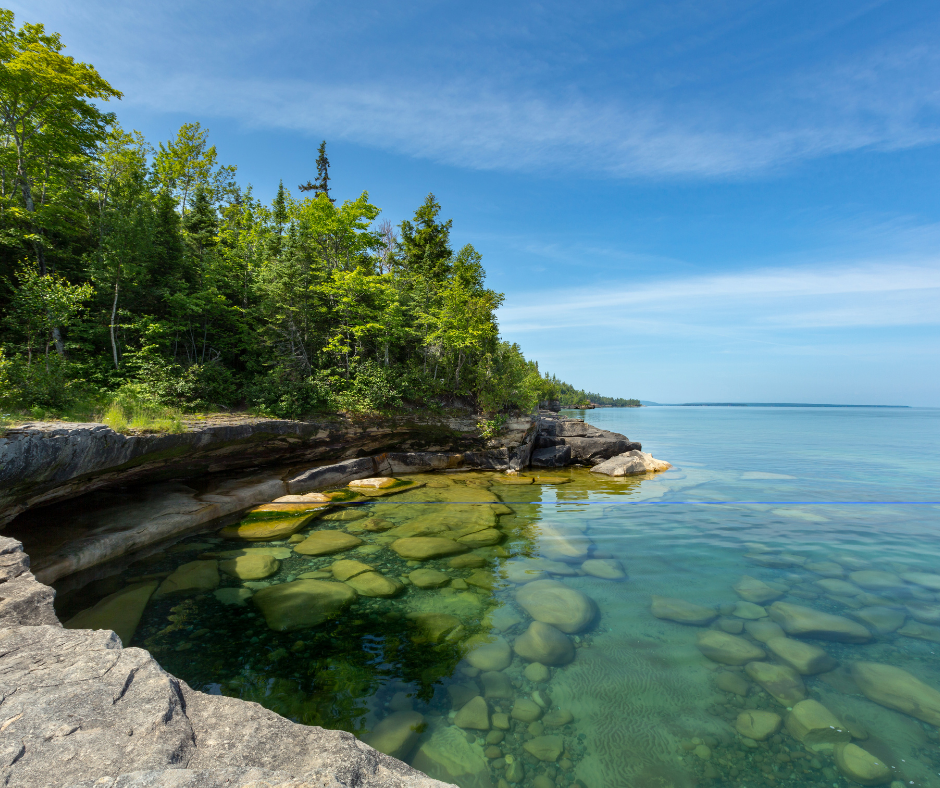
Monday kicked off Great Lakes Week — have you heard about it? The Great Lakes are a precious resource that those in Michigan and around the world deeply appreciate. As the largest source of fresh water on Earth, these lakes provide irrigation and life for several ecosystems. From swimming to fishing to drinking, Michigan residents have experienced the very best of these bodies of water. So how can we protect them for future generations?
A Brief History
Composed of five separate lakes — Superior, Huron, Erie, Michigan, and Ontario — the Great Lakes were created by gradual glacial melt. Combined with large natural formations, the melt created the perfect conditions for the gorgeous lakes we have today. Traders traversed these waters carrying fur, timber, and more, and these waters have supplied populations with food and irrigation for centuries. Currently, the Great Lakes account for 20% of the world's freshwater supply — making their protection critically important for generations to come.
Reduce Fertilizer Runoff
Algae blooms have become the new norm in the Great Lakes. This overgrowth limits the oxygen in the water that ecosystems need to thrive, choking out fish and other water wildlife. A major contributor to algae blooms is fertilizer runoff — fertilizer contains large amounts of phosphorus, which seeps into the water from agricultural production, but also from yards of homes just like yours. Reducing your fertilizer use is one of the simplest ways to help the Great Lakes stay healthy this year.
Stop Water Waste
An easy way to preserve the freshwater supply is to limit water waste in your own home — and at the same time, save money on your monthly water bill:
- Cut shower times in half. The average 12-minute shower uses about 30 gallons of water. Cutting that to six minutes saves thousands of gallons per person per year.
- Place a water bottle in your toilet tank. Fill a 16 or 20oz bottle with a heavy material like sand or rocks, seal it, and place it inside your toilet tank. This reduces the amount of water used per flush without replacing your appliance.
- Soak your lawn less frequently but longer. Instead of running sprinklers multiple times a day for short periods, try every other day for a longer stretch. This deeply soaks the lawn and allows water to penetrate to the roots where plants need it most — reducing the risk of surface evaporation and water waste.
Even if you do not live near a Great Lake, we can all recognize the importance of keeping our freshwater supply healthy and hearty. These simple steps make a big difference when individuals and communities agree to think about the betterment of the future. Here at Kratos Gas & Power, our parent company has recently committed to carbon neutrality across 13 states. We hope to leave the world a better place than how we entered it. Keep checking back to the Kratos Gas Blog for more sustainable lifestyle tips.