
Paint Projects That Can Increase Your Home's Value
01 July, 2021
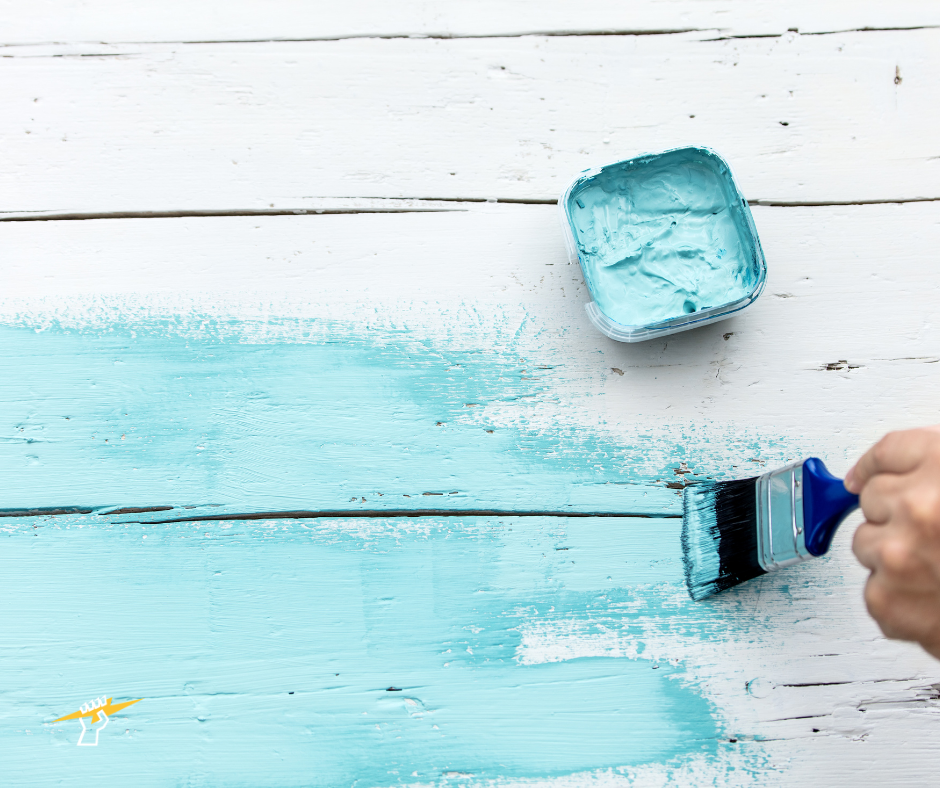
Painting can be the easiest DIY that really spruces up old spaces. Are you itching for a change without wanting to spend a fortune? With colors galore, you can easily change a room's energy, light, and theme with a few gallons and some brushes. Most painting projects can even be accomplished in a single industrious weekend. So what should you paint — and more importantly, what should you avoid?
Countertops
Creating faux marble countertops has recently become a hot trend. It's a completely cost-effective way to transform your kitchen, and you could feasibly change your entire cooking area in one weekend by tackling the cabinets at the same time. A few tips before diving in:
- Preparation is key. Thoroughly sand the surface to help the paint adhere tightly — you would hate to have your hard work flake off at first use.
- Use primer, two coats, and a protective topcoat. Countertops get used every day — wet, dry, and everything in between. Make sure your paint job lasts for years.
Refrigerator
This may surprise some, but you can freshen up an old appliance to match your newest interior. Not every appliance finish is available in a stylish option, so a coat of paint — or an easy-to-use fridge wrap — can help you customize yours. Key points to consider:
- Pretreat any rusty spots with a layer of Rust-Oleum to ensure the rust doesn't return after your paint job.
- Use paint specifically designed for the material of your fridge — most likely metal.
- Use a roller for the most even pressure and coverage.
The Absolute No-Go: Ceramic Tile
Whether you find yourself hating your tiled shower, floor, or kitchen island — do not simply slap a coat of paint on it to change things up. There are many downsides to painting ceramic tile. First, the smell — a strong epoxy is required, which emits powerful fumes that demand days of ventilation. Second, the prep work is brutal; every single tile must be roughed up with steel wool or sandpaper to allow the paint to adhere. After all that, multiple coats plus a topcoat are required, each needing days to dry. And after all of that effort, there is no guarantee the result won't dry patchy or gloppy — leaving you to either live with it or redo the entire process. We say pass on this one entirely.