
How to Plant for Bees
26 October, 2020
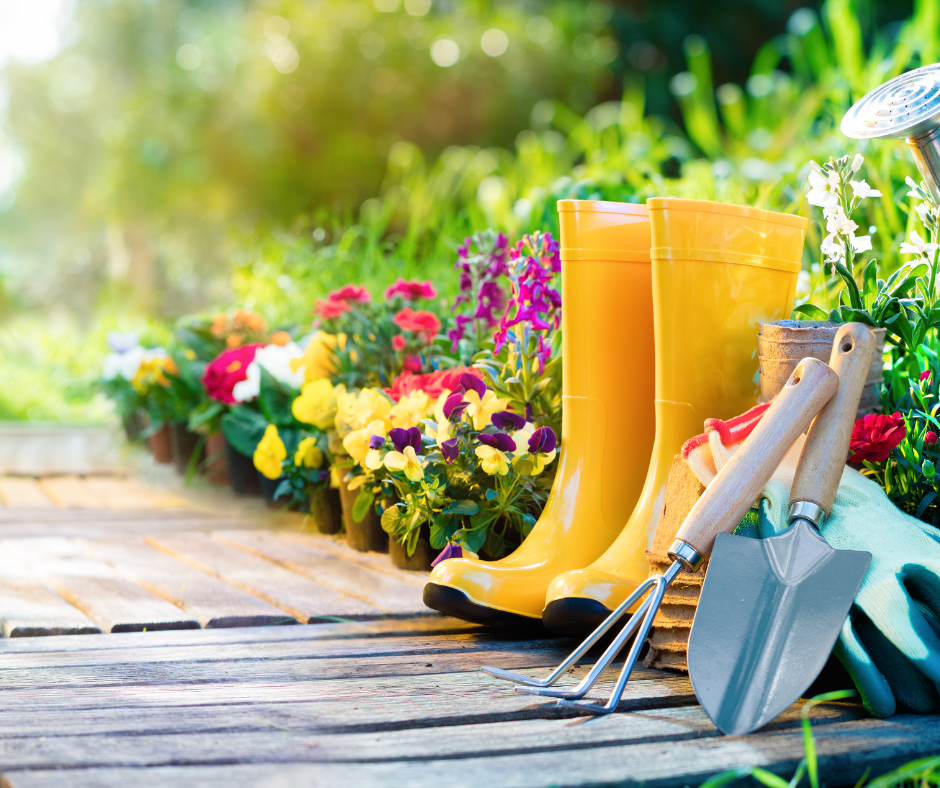
We have been hearing it for years — save the bees! We see it on t-shirts, coffee mugs, and bumper stickers. But how do you really help these pollinators? You can easily and cheaply plant for bees at home. With a little bit of sweat equity, you can create a beautiful and helpful oasis for these super key players in the growth cycle.
Why Should I Plant For Bees?
Bees are what's known in nature as pollinators — they take pollen from male plant parts and redistribute it to the female parts of plants to help flowers bloom and food grow. Bees are essentially responsible for much of our produce consumption. We need to plant for bees in order to save our salads! Bees already have a harder time surviving in the modern world: they are often killed by pesticides, their habitats get destroyed, and the ever-changing climate has impacted them significantly.
Choose Your Area
When deciding to plant for bees, choose an area that works for you — front yard or back, shade or sun. You can always begin small and add more later depending on your comfort level with gardening. Luckily, you don't need a green thumb to grow many of these plants!
Choose Your Plants
When deciding on plants, there are a few things to consider for them to thrive:
- Native plants. Use vegetation that is indigenous to your area. Michigan has many great native options, including Bee Balm — a favorite of our pollinator friends.
- Flowers, produce, or grass. Decide what kind of garden you want to plant for the bees. It can be as simple as changing your grass to a pollinator-friendly variety. If you'd like a more aesthetically pleasing yard, wildflowers are beautiful and low-maintenance. If a food garden is for you, watermelons, cantaloupes, cucumbers, pumpkins, eggplant, hot peppers, and gourds are all great options that bees love.
- Perennials vs. annuals. Perennials, if cared for correctly, will sprout again each spring without needing to be replanted — saving you time and money in the long run compared to annuals, which need to be redone after each winter season.
If you do plant for the bees, keep in mind that you will see more bees! If you find that they have nested in or near your home, do not fear or panic — professionals are available to safely relocate them. Always take proper precautions and keep your safety first. Keep checking back to the Kratos Gas & Power blog for great home improvement ideas and money-saving tips!