
Stop! Can You Recycle That?
31 March, 2022
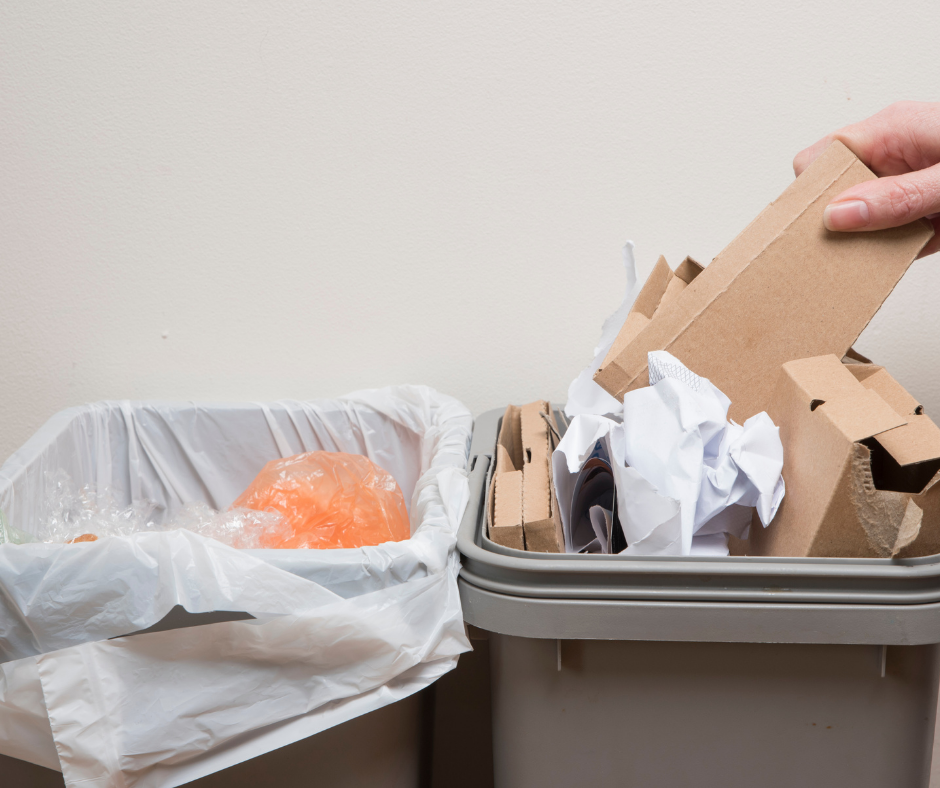
Have you ever wondered if you could recycle something — but ultimately just chucked it into the bin? Are you positive you know all the rules about which item goes where? That three-arrow triangle is often what we look for when deciding if something is recyclable, but we may miss the finer details of where and how. Not everything is fit for the catch-all bin we place on our curbs. Here's what can and cannot be recycled.
Common Mistakes
There are many myths when it comes to recycling, and without a ton of resources, recycling centers often get bogged down sorting unrecyclable and dangerous items out of the mix.
Food — If you are looking to recycle food scraps, the best course of action is to start a home composting journey. Convenient countertop composters can lead into premade backyard styles, allowing everything from coffee grounds to banana peels to be repurposed into rich soil for your yard or garden. That said, food should stay out of the home recycling bin entirely. Try to rinse any leftover material from containers — even water can ruin an entire load of recycling.
Paper Items — Paper is often seen as the easiest material to recycle, but sadly, many paper items are not viable after use. Any kind of uncleanable food residue means the item must be thrown away. Think paper napkins, pizza boxes, and takeout containers — paper easily soaks up grease and juices, making it unfit for recycling.
Styrofoam — Another commonly misrecycled item, Styrofoam cannot be processed the same way as glass or paper. Try to cut down on using it where possible, and if you do end up with some, save it and take it to a local facility that processes polystyrene.
Bigger Items
Appliances — Small appliances like toaster ovens and microwaves are recyclable, but not in your at-home bin. A great way to give still-working items a second life is to donate them to a local thrift store — this is called a closed loop, where nothing ends up in a landfill but is constantly repurposed. If your appliance is completely dead, detailed guides are available online for recycling it properly.
Pots and Pans — After upgrading your cookware, donating to a local thrift store is again a great option as these often still have life in them. If they are completely unusable, pots and pans are generally classified as scrap metal — the Teflon coating makes processing in a standard home recycling bin difficult.
Clothing — Beyond donating to charity or giving to friends, clothing was previously thought of as unrecyclable. Thanks to modern technology and the push for a greener fashion world, many companies now specialize in recycled clothing — some even offer credits when you send in your old items or purchase recycled pieces.
Recycling has grown in popularity for the better of our entire world. Try these simple swaps to help your local recycling facility run smoother and at optimum capacity. Keep checking back to the Kratos Gas and Power blog for more great lifestyle tips.